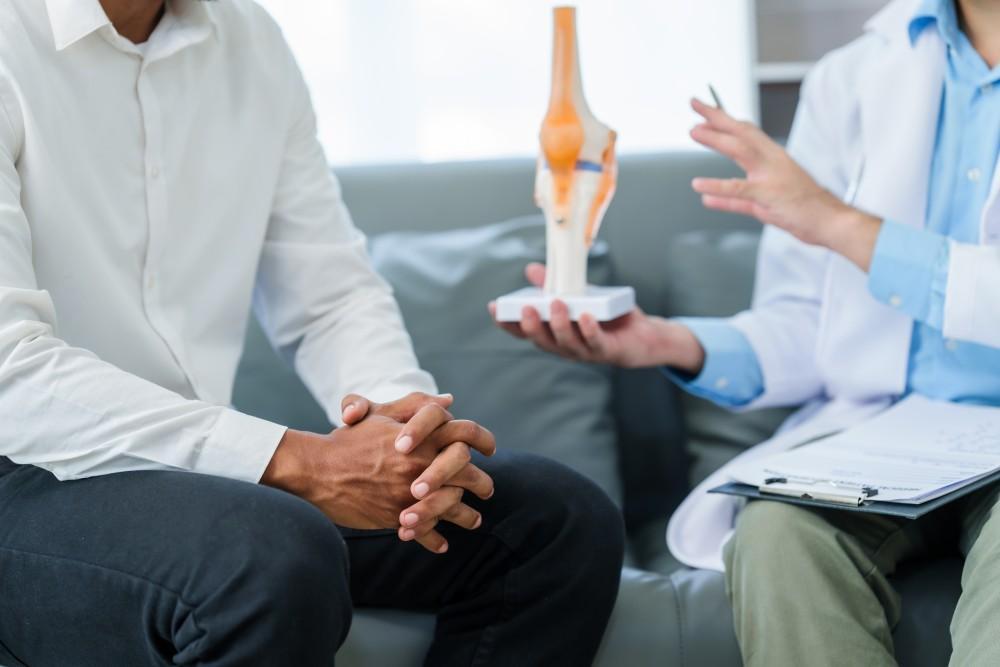
Globally, around 85% of osteoarthritis cases affect the knees, and we see many patients affected by this common problem at Vascular Surgery Associates LLC.
Knee osteoarthritis develops when the protective cartilage cushioning the bones in your knee gradually breaks down. The changes within the joint can also trigger inflammation, contributing to pain, swelling, and stiffness.
During the holidays, these symptoms can interfere with special occasions. You might find yourself struggling with:
Holiday shopping
Walking through stores and standing in checkout lines can aggravate knee pain.
Cooking and entertaining
Spending hours on your feet preparing festive meals can leave your knees aching.
Travel
Sitting in a car or airplane for long periods can increase joint stiffness.
Family outings
Visiting holiday markets, attending seasonal events, or walking around to admire decorations can become exhausting.
Celebrations
Dancing, playing with grandchildren, or simply moving between rooms at a gathering may be uncomfortable.
Cold weather can also create stiff joints, although the relationship between temperature and arthritis symptoms varies among individuals.
How to make your celebrations more comfortable
Here are our top tips for staying comfortable through the holidays.
Plan to protect your knees
Making a few practical adjustments can help you stay involved in holiday activities without putting unnecessary strain on your joints.
Pace yourself
Spread tasks across several days instead of tackling all your holiday preparations in one day. Alternate your activity with short breaks, and sit down when preparing food or wrapping gifts whenever possible.
Choose joint-friendly activities
You don't have to abandon your favorite traditions. Consider visiting holiday attractions during quieter hours, using a shopping cart for support, or enjoying shorter walks rather than long outings.
Keep moving
Although resting painful joints may seem sensible, too much inactivity can worsen stiffness. Gentle exercise, including walking, swimming, and stationary cycling, maintains muscle strength and joint flexibility.
Strong muscles around your knees provide additional support and can make daily movement easier. Pilates, yoga, and tai chi have also proven beneficial. Choose activities that suit your abilities and avoid pushing through significant pain.
Manage inflammation and discomfort
Heat loosens stiff joints, while a cold pack reduces swelling after activity. Over-the-counter pain medications or topical anti-inflammatory treatments offer temporary relief, if they're safe for you.
Comfortable, supportive shoes also help reduce unnecessary stress on your knees.
When traditional arthritis treatments are not enough
Many people successfully manage knee osteoarthritis initially with physical therapy, exercise, weight management (when appropriate), and medication. Joint injections can help as the symptoms worsen. However, these approaches don't always provide adequate or lasting relief.
For people experiencing persistent pain, knee replacement surgery may eventually become an option. Yet not everyone needs, wants, or is medically suitable for major surgery.
At Vascular Surgery Associates, LLC, we offer another opportunity: genicular artery embolization (GAE), a minimally invasive procedure designed to reduce inflammation and relieve osteoarthritis-related knee pain.
How GAE helps relieve knee arthritis pain
Osteoarthritis can cause abnormal growth of small blood vessels around the knee's inflamed joint lining. These vessels contribute to the inflammatory processes associated with chronic pain.
GAE targets selected vessels to reduce blood flow to the inflamed tissue. During the procedure, we:
- Make a small puncture, usually in the groin, to access an artery.
- Use advanced imaging to guide a thin catheter through the blood vessels toward your knee.
- Identify abnormal blood vessels supplying inflamed areas of the joint.
- Deliver tiny particles to reduce blood flow through these vessels.
By reducing the blood supply contributing to inflammation, GAE can decrease pain and improve mobility.
The procedure doesn't cure osteoarthritis or repair damaged cartilage. However, appropriately selected patients often experience meaningful improvements in pain and knee function.
How GAE differs from knee surgery
Unlike knee replacement, GAE doesn't remove joint surfaces or insert an artificial joint.
It's usually an outpatient procedure, with patients returning home the same day. Recovery is generally quicker than after joint replacement, although you need to follow your activity instructions.
Pain relief develops gradually, often over several weeks, and results vary. Some patients experience sustained improvement, while others may need additional arthritis treatment. Our specialist assessment can determine whether GAE is appropriate for you.
Spend more time on the moments that matter
Whether you're hoping to host a family dinner, explore a festive market, or spend more time playing with your grandchildren, knee arthritis shouldn't automatically mean giving up the activities you enjoy.
If persistent knee pain is limiting your mobility, call Vascular Surgery Associates, LLC, or complete the online inquiry form today. Our experienced vascular specialists can assess your knee osteoarthritis and help you enjoy the holiday season.