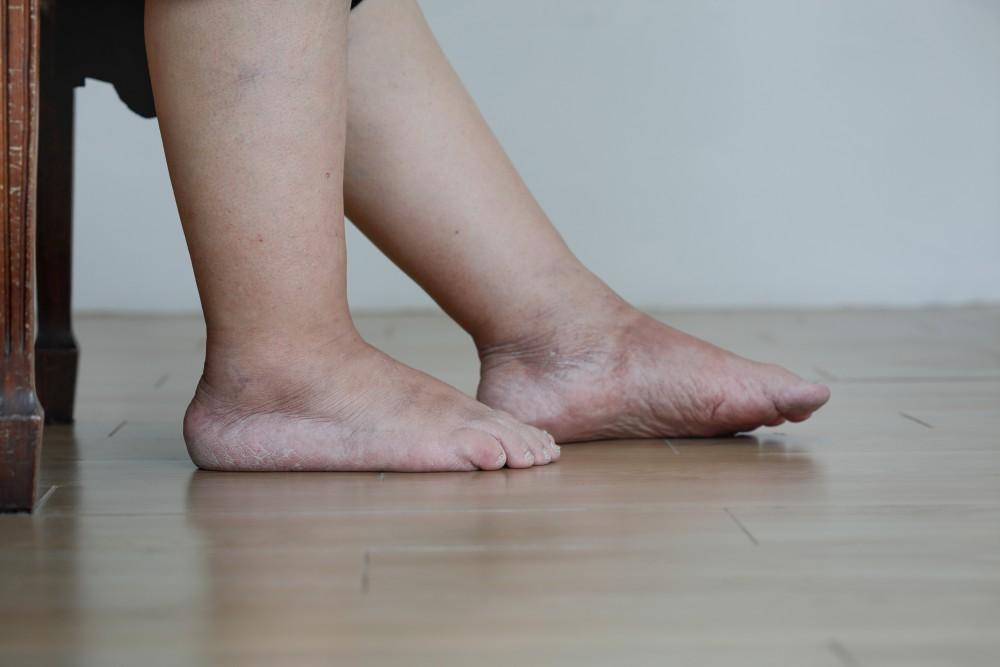
Around a quarter of American adults develop chronic venous insufficiency (CVI), which can cause swelling, discomfort, and varicose veins. Your leg veins contain tiny, one-way valves that help blood travel upward toward your heart. When these valves weaken or become damaged, blood could flow backward and pool in your lower legs.
At Vascular Surgery Associates LLC, we often prescribe graduated compression stockings that apply controlled pressure to your legs. They're tightest around your ankles, with pressure gradually decreasing toward your knees or thighs. This gentle squeezing action helps your veins move blood upward more efficiently, reducing fluid accumulation in your lower legs.
Compression stockings come in different pressure strengths and lengths, measured in millimeters of mercury (mmHg). Choosing the right compression level and fit is essential for both comfort and effectiveness.
When compression stockings can help
Compression therapy can effectively manage mild symptoms of poor venous circulation, for example:
Relieving leg swelling
Compression stockings help prevent excess fluid from collecting and causing swelling around your ankles and calves. They're particularly useful if you spend long periods sitting or standing.
Reducing aching and heaviness
If your legs feel tired, achy, or uncomfortable toward the end of the day, compression can improve blood flow and relieve some of that discomfort.
Managing varicose vein symptoms
Compression stockings don't eliminate varicose veins, but they can reduce associated swelling, aching, and heaviness.
Supporting recovery after vein treatment
We may recommend compression stockings following certain vein procedures to reduce swelling and support healing.
Compression is also an important part of managing some venous leg ulcers, although these require specialist assessment and treatment.
What compression stockings can not do
Although compression stockings offer valuable symptom relief, they don't repair damaged vein valves or permanently close diseased veins. Once you remove your stockings, symptoms may return because the underlying circulation problem remains.
For some people, compression therapy provides adequate long-term symptom management. Others continue experiencing discomfort despite wearing stockings regularly.
You may need further assessment if you notice:
- Persistent or worsening leg swelling
- Increasingly prominent or painful varicose veins
- Ongoing heaviness, aching, or nighttime cramps
- Brownish skin discoloration around your ankles
- Itchy, irritated, or thickened skin
- Slow-healing sores or ulcers on your lower legs
These changes indicate progressing venous disease that requires more targeted treatment.
Compression stockings also aren't suitable for everyone. People with significant peripheral arterial disease, for example, may be harmed by compression. Our vascular assessment helps determine whether they're safe for you.
When you need more than compression stockings
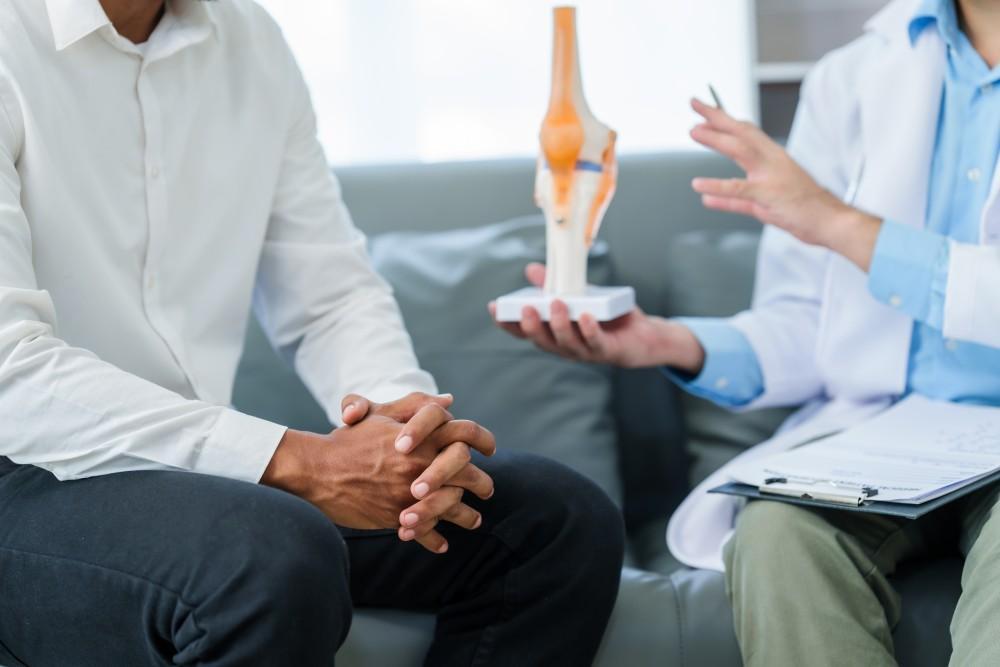
If compression therapy isn't controlling your symptoms, we can investigate the underlying cause.
A vascular ultrasound allows us to examine blood flow and identify veins with damaged valves or abnormal circulation. Depending on the findings, we may recommend one of four minimally invasive vein treatments.
1. Sclerotherapy
Sclerotherapy commonly treats spider veins and smaller varicose veins. During treatment, we inject a specialized solution into the affected vein. The solution irritates the vein's inner lining, causing its walls to close together.
2. Varithena® microfoam
Varithena uses a specially formulated medication delivered as a foam to treat certain larger or more complex varicose veins. The foam spreads through the diseased vein, displaces blood, and causes the vein walls to collapse and seal.
3. VenaSeal™ closure system
VenaSeal uses a medical-grade adhesive to permanently close diseased superficial veins. With ultrasound guidance, we insert a thin catheter into the affected vein and deliver small amounts of adhesive along its length to seal it.
4. ClosureFast™
ClosureFast treats damaged veins using controlled radiofrequency energy. We insert a narrow catheter into the affected vein and deliver heat to its inner walls. This causes the vein to shrink and then seal shut.
These treatments are typically outpatient procedures with minimal downtime. Your body absorbs the treated veins over time, and blood uses other, healthy veins.
Finding the right approach to vein care
Compression stockings remain an important tool for managing venous disease. Even when you undergo a minimally invasive procedure, compression may be part of your recovery or ongoing care.
However, you don't have to rely exclusively on stockings if you're still experiencing pain, swelling, or other symptoms. The most effective approach depends on which veins are affected, your condition, and your overall vascular health.
We provide comprehensive assessments and advanced treatments to address the underlying causes of venous circulation problems. Call Vascular Surgery Associates LLC or contact us online today to learn how we can help if compression stockings aren't giving you enough relief.